Australia has a large and diverse service economy.
Every day, homeowners, landlords, property managers,
real estate agencies, strata companies, builders and
businesses need people to maintain, repair, improve and
clean their properties.
Many of these jobs do not require you to build an entire
house or become a highly specialised construction
contractor.
Instead, there is a large market for
focused service businesses.
These businesses specialise in one particular service
and become good at performing that service efficiently.
Examples of Service Businesses
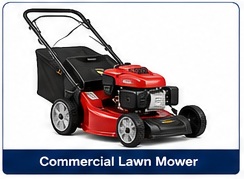
Lawn Mowing
Hedge Trimming
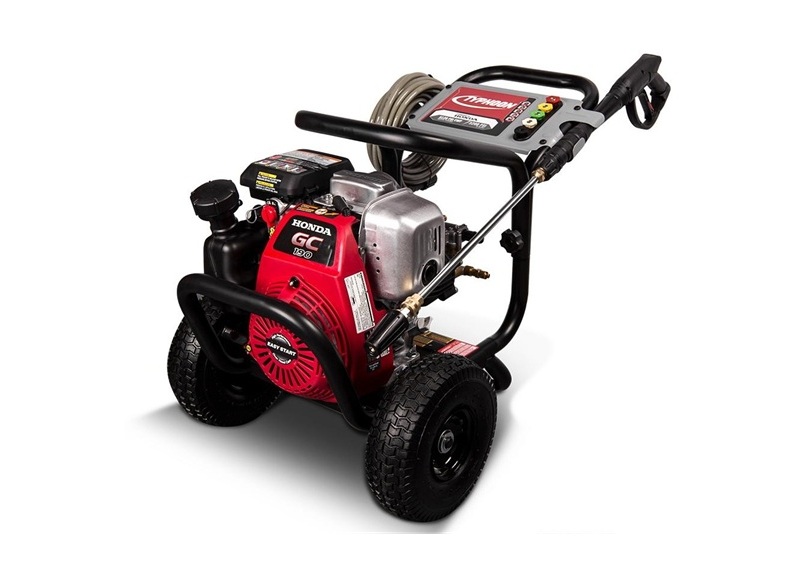
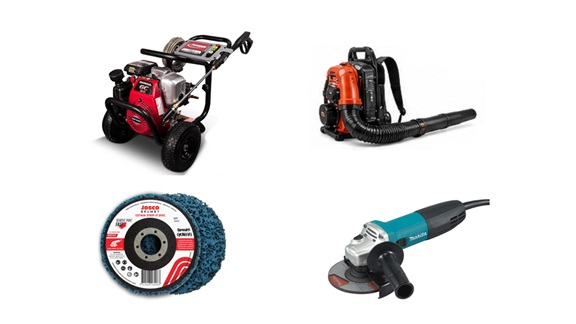
Pressure Washing
Landscaping
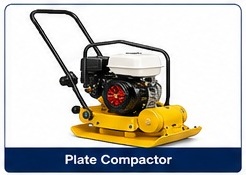
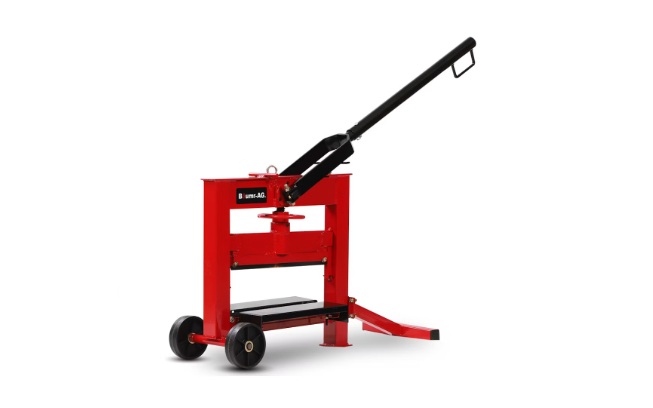
Paving
Patio Installation
Decking Installation
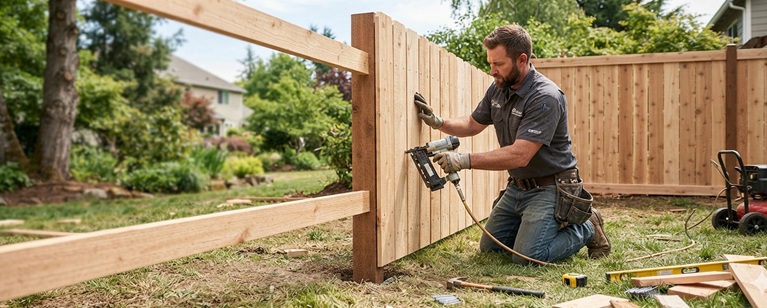
Fence Installation
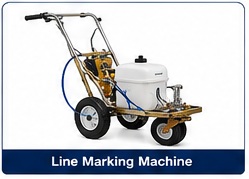
Line Marking
Tiling
Kitchen Cabinet Installation
Built-in Wardrobe Installation
Retaining Wall Installation
Why Service-Based Trade Businesses?
One of the biggest advantages of a service business is
that you can start with a relatively focused offering.
You do not necessarily need a large workshop, expensive
commercial premises or a huge team.
Vehicle
+
Professional Equipment
+
Practical Skills
+
Customers
As your customer base grows, you can gradually invest in
better equipment, improve your systems and eventually
hire employees or subcontractors.
This creates a potential pathway from:
Solo Operator
→
Small Business
→
Team
→
Established Service Company
The Purpose of This Ebook
This ebook focuses on trade and property service
opportunities that can often be learned through
practical training, repetition and
experience, rather than requiring years of
traditional apprenticeship training.
However, this does not mean every job is simple or that
every activity is legally unrestricted.
The purpose is to help you identify:
What does the job involve?
What equipment do I need?
What skills do I need?
How much could it cost to get started?
What You Will Learn
Each chapter follows a consistent structure so that you
can compare different opportunities.
01
Essential Commercial Tools
Learn about the equipment commonly required
to perform each service efficiently, with
an emphasis on commercial-grade equipment.
02
Step-by-Step Workflow
Understand the typical process from customer
enquiry and site inspection through to
completion and cleanup.
03
Qualifications and Skills
Understand the practical skills and potential
qualification requirements associated with
different services.
04
Startup Investment
Review estimated equipment and business
startup costs so you can begin building an
initial budget.
Start Small, Then Build
You do not necessarily need to offer every service on
your first day.
In fact, starting with too many services can make your
business difficult to manage.
A better approach can be to select
one core service.
Example: Lawn Maintenance
Mowing
→
Edging
→
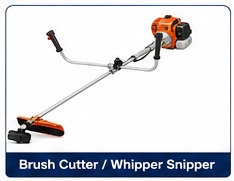
Whipper Snipping
→
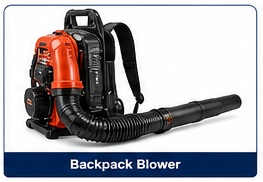
Blowing
Then add hedge trimming, garden tidy-ups, pressure
washing and other complementary services.
The Power of Recurring Customers
Some service businesses have an important advantage:
recurring work.
Lawn mowing is a good example. Instead of completing one
job and never seeing the customer again, you may establish
a weekly, fortnightly or monthly maintenance arrangement.
Property Manager
↓
Lawn Maintenance
↓
Hedge Trimming
↓
Pressure Washing
↓
Garden Maintenance
Commercial Customers
Residential customers are only one part of the market.
Once your business becomes more established, you can
consider targeting:
- Real estate agencies
- Property managers
- Strata management companies
- Builders
- Construction companies
- Commercial property owners
- Warehouses
- Schools
- Childcare centres
- Medical centres
- Retail properties
- Industrial properties
- Retirement villages
- Body corporates
Your Equipment Is an Investment
One of the principles of this ebook is:
Buy equipment based on the work you intend to perform,
not simply the cheapest equipment you can find.
A homeowner using equipment occasionally has completely
different requirements from a contractor completing
multiple jobs every week.
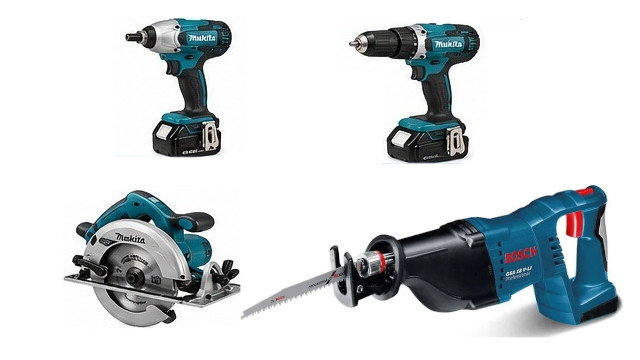
When selecting professional equipment, consider:
- Commercial durability
- Battery platform compatibility
- Warranty
- Spare parts availability
- Service network
- Operating time
- Productivity
- Weight
- Transport requirements
- Replacement cost
Skills Become More Valuable With Practice
Many service businesses look simple from the outside.
For example, mowing grass appears straightforward.
However, a professional operator needs to understand
cutting height, grass conditions, weather, property
access, equipment handling, edging, cleanup, customer
expectations, job timing, quoting and route planning.
The same principle applies to paving, tiling, fencing,
decking and other services.
The difference between a beginner and a professional is
often consistency, efficiency and attention to detail.
The Goal Is Not Just to Find a Job
This ebook is not simply about finding another way to
earn an hourly wage.
The bigger opportunity is to understand how a
service business works.
Instead of asking:
How much can I earn per hour?
Start asking:
How much value can I create per job?
Then ask:
How many jobs can I complete efficiently?
Eventually ask:
How can I build a system that allows other people to perform the work?
How to Use This Ebook
01
Explore
Read through the different trade opportunities
and identify services that match your physical
ability, existing skills, budget, vehicle,
location and interests.
02
Compare
Compare services based on startup cost,
difficulty, equipment requirements, potential
customers, recurring work opportunities,
skill requirements and competition.
03
Choose One
Select one service and learn it properly.
Invest in appropriate equipment, practise
the workflow, complete smaller jobs, collect
photographs and build customer reviews.
Your First Business Does Not Need to Be Perfect
Your first business may not have a large office, ten
employees, a fleet of vehicles, a massive equipment
collection or hundreds of customers.
That is normal.
A business can start with one person and one service.
Good Work
+
Reliable Service
+
Professional Communication
+
Repeat Customers
A Final Word Before You Begin
The Australian trade and property services market offers
opportunities for people who are willing to learn
practical skills, work hard and operate professionally.
You do not need to master everything at once.
Choose a service.
Learn the equipment.
Understand the workflow.
Practise.
Complete your first jobs.
Improve your process.
Build your reputation.
Then grow.
The purpose of this ebook is to give you a starting point
and help you see the possibilities that exist across
Australia's service economy.
Your next business could start with a single tool,
a single customer and a single job.
Now, let us explore the opportunities.